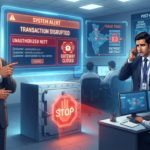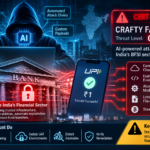





Enterprise security leaders face a widening speed gap between autonomous attacks and human-led defenses. Attackers now use AI tools to discover, chain, and exploit dozens of vulnerabilities at machine speed, moving laterally across networks in seconds. Traditional Security Operations Centres, meanwhile, can take up to 45 minutes to investigate a single alert.
Organizations can no longer rely on perimeter defenses alone or treat every intrusion as preventable. CISOs must shift their focus from keeping attackers out to containing breaches before they become operational crises. They must also govern internal AI agents that hold excessive privileges and unrestricted access to sensitive data, replacing legacy “trust by default” models with strict Zero Trust micro-segmentation and identity verification.
“The conversation is shifting from ‘how do we keep attackers out’ to ‘how do we keep a breach from becoming a crisis,’” said Raja Ukil, Senior Vice President, Head of APJ Sales and Global Head of Alliances at ColorTokens Inc.
“Because we cannot detect and respond within the timeframe of an attack happening at machine speed, we have to pivot back into preventive security controls… Once you start articulating in terms of the potential impact on the business, that is much larger than the spend you will do in cybersecurity to reduce the chances of getting breached.”
In this video interview with CISONow, Ukil also discussed:
Managing the dual risks of AI-powered external kill chains and over-privileged AI agents inside the enterprise
Why progressive micro-segmentation can contain lateral movement within 90 days, where legacy segmentation projects stalled
Framing cyber resilience around revenue disruption, regulatory penalties under the DPDP Act, and business continuity to win board buy-in
Ukil is Head of APJ Sales and Global Head of Alliances at ColorTokens Inc., a global provider of enterprise micro-segmentation and breach-readiness solutions. Working with CISOs and business leaders across Asia-Pacific and Japan, he advises enterprises on Zero Trust architecture, blast-radius containment, and proactive cyber resilience.